Personal development is a transformative journey that empowers you to reach your full potential. It’s about continuously learning, evolving, and growing in every aspect of your life—from your career to your relationships, health, and self-awareness. The pursuit of personal development isn’t just about achieving success; it’s about creating a deeper sense of fulfillment, meaning, and self-understanding.
In this article, we’ll dive into the concept of personal development, why it matters, and practical steps you can take to begin or accelerate your own journey of growth.
What is Personal Development?
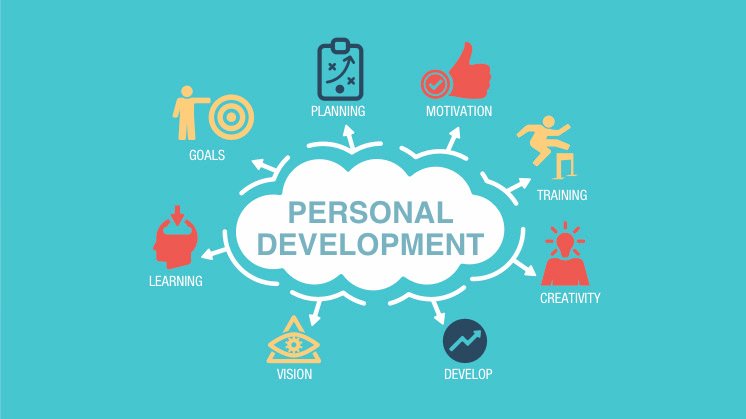
Link to image file↗ Personal Deveolpment
Table of Contents
Personal development refers to the intentional effort you make to improve your skills, knowledge, and overall quality of life. It involves exploring your potential, addressing your weaknesses, and leveraging your strengths. Whether you want to develop a new skill, adopt a healthier mindset, or grow emotionally, personal development is about making conscious choices to evolve.
It can take many forms:
- Mental development: Expanding your knowledge, improving your problem-solving abilities, and enhancing your creativity.
- Emotional development: Becoming more self-aware, managing your emotions, and building resilience.
- Physical development: Improving your fitness, health, and overall well-being.
- Social development: Cultivating healthy relationships and improving communication skills.
The goal is to become the best version of yourself, not just for external success, but for internal peace and happiness.
Why Personal Development Matters
Personal development is essential for several reasons. In a world that constantly changes, adapting and evolving is crucial for staying relevant, productive, and happy. Here’s why investing in personal development matters:
- Increases Self-Awareness
Self-awareness is the foundation of personal growth. By understanding who you are—your strengths, weaknesses, and core values—you can make decisions that align with your true self. Personal development helps you build this awareness, leading to more authentic living. - Boosts Confidence
As you work on your skills and emotional intelligence, you naturally become more confident in your abilities. Confidence not only helps you take on new challenges, but it also makes it easier to navigate life’s obstacles and setbacks. - Improves Relationships
Personal development is not just about self-improvement but also about how you connect with others. By improving your communication skills, empathy, and emotional intelligence, you can build stronger, more fulfilling relationships in both your personal and professional life. - Increases Productivity and Success
As you grow in your personal and professional skills, your productivity skyrockets. Personal development allows you to approach tasks with a more focused mindset, and the self-discipline gained through good habits will help you achieve long-term success. - Promotes Emotional Resilience
Life comes with ups and downs, but with emotional resilience—a trait nurtured through personal development—you become better equipped to handle stress, disappointments, and challenges with grace and perseverance.
Key Areas for Personal Development
Personal development is a broad field, but certain key areas are fundamental to growth. Here are some of the core pillars you can focus on:
1. Self-Awareness and Emotional Intelligence
Emotional intelligence (EQ) is the ability to understand and manage your own emotions, as well as recognize and influence the emotions of others. It’s a crucial aspect of personal development because it governs how we interact with the world.
How to Develop Emotional Intelligence:
- Self-reflection: Regularly evaluate your thoughts, feelings, and behaviors. Understand why you react the way you do in certain situations.
- Mindfulness practices: Engage in practices like meditation or journaling to increase emotional awareness and learn how to manage your emotions.
- Empathy: Try to understand others’ feelings and perspectives. Empathy strengthens relationships and helps in conflict resolution.
2. Goal Setting and Time Management
Having clear, actionable goals is vital for personal development. The process of setting goals helps you visualize your future and create a path to achieve it. Moreover, mastering time management ensures you stay on track and avoid procrastination.
How to Set and Achieve Goals:
- SMART goals: Set Specific, Measurable, Achievable, Relevant, and Time-bound goals that give you a clear focus.
- Break it down: Divide your long-term goals into smaller, manageable tasks so you can track progress and maintain momentum.
- Prioritize: Identify your most important tasks each day to make sure you focus on what truly matters.
3. Health and Fitness
Your physical health plays a critical role in your overall development. When you take care of your body, you enhance your energy, productivity, and mental clarity.
How to Focus on Physical Health:
- Exercise regularly: Incorporate physical activity into your routine, whether it’s walking, yoga, or strength training. Regular exercise boosts mood, improves mental clarity, and reduces stress.
- Eat nutritious foods: A balanced diet fuels both your body and brain, improving focus and overall well-being.
- Get enough sleep: Sleep is essential for cognitive function and emotional health. Make sure you’re getting at least 7–8 hours of quality sleep per night.
4. Learning and Skill Development
The more you learn, the more opportunities you create for yourself. Personal development thrives on lifelong learning—whether it’s acquiring new skills, expanding your knowledge, or cultivating new hobbies.
How to Focus on Learning:
- Read daily: Reading is one of the most effective ways to expand your knowledge and stimulate your mind. Aim for 20–30 minutes of reading each day.
- Take online courses: There are countless free and paid courses on platforms like Coursera, Udemy, and LinkedIn Learning. Explore subjects related to your career or personal interests.
- Attend workshops and seminars: Attend events that will challenge your thinking and introduce you to new perspectives.
5. Mindset and Attitude
Your mindset plays a critical role in how you approach challenges and opportunities. Adopting a growth mindset—the belief that abilities and intelligence can be developed through hard work and dedication—creates a fertile ground for personal growth.
How to Build a Growth Mindset:
- Challenge negative self-talk: Replace limiting beliefs with empowering ones. For example, change “I can’t do this” to “I can learn how to do this.”
- Learn from failure: View setbacks as opportunities to grow, not as permanent roadblocks. Understand that failure is a part of success.
- Stay positive: Focus on the positives in every situation. Optimism fuels motivation and helps you bounce back from challenges.
Steps to Start Your Personal Development Journey
Embarking on your personal development journey might feel overwhelming, but it’s all about taking small, consistent steps. Here’s how to get started:
- Start with Self-Assessment
Take a step back and evaluate where you are in life. What areas do you feel you need to improve in? What are your strengths and weaknesses? Self-awareness is key. - Set Clear Goals
Identify specific areas you want to focus on—be it health, skills, relationships, or emotional intelligence—and set goals around them. Write them down and commit to taking action. - Create a Plan
Break your goals down into actionable steps. Create a schedule or roadmap that helps you stay organized and motivated. - Practice Consistency
Consistency is more important than perfection. Commit to small daily or weekly habits that build over time. Don’t get discouraged by occasional setbacks. - Celebrate Progress
Personal development is a long journey. Celebrate each step of progress, no matter how small. Recognizing your achievements fuels further growth.
Conclusion: The Power of Personal Development
Personal development is a powerful tool for unlocking your potential and living a more fulfilled, successful life. It’s about building self-awareness, cultivating a positive mindset, and improving skills that enhance your career and relationships.
Remember, the journey is personal—there’s no right or wrong way to approach it, and it’s never too late to start. Whether you’re looking to boost your career, build better relationships, or simply live a healthier life, personal development is the key to achieving your goals.
Start small, stay committed, and embrace the journey. The best version of yourself is waiting to emerge.
Are you ready to start your personal development journey? The first step is just a decision away—make it today!