In today’s fast-paced world, personal expenses can easily spiral out of control if not properly managed. Whether you’re living paycheck to paycheck or striving to achieve long-term financial goals, keeping track of your personal spending habits is essential. In this article, we’ll break down the concept of personal expenses, why it’s important to manage them, and how you can take control of your finances with simple strategies.
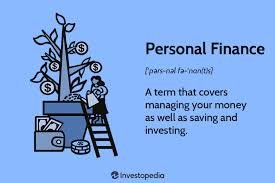
Table of Contents
What Are Personal Expenses?
Personal expenses are the costs you incur in your daily life. These expenses cover everything from your rent or mortgage payments to groceries, utilities, transportation, entertainment, and personal care items. Essentially, they represent any money you spend on goods and services that support your lifestyle.
Types of Personal Expenses
1. Fixed Expenses : These are regular payments that don’t vary month to month. Common examples include rent or mortgage payments, insurance premiums, student loans, and utility bills. Fixed expenses are predictable and must be paid every month.
2. Variable Expenses : These costs can fluctuate from month to month. They include food, gas, entertainment, shopping, and other discretionary spending. Variable expenses offer more flexibility, but they can also get out of hand if not kept in check.
3. Discretionary Expenses : While some expenses are necessary for daily living, others are more about lifestyle choices. These include things like dining out, vacations, new gadgets, or other luxury items.
4. Savings & Investments : While not exactly an “expense” in the traditional sense, regularly putting money aside into savings or investments is crucial for long-term financial health. Consider this an expense in your budget that ensures your future financial security.
Why Managing Personal Expenses Matters
1 Achieving Financial Goals : Whether you’re saving for a down payment on a house, planning for retirement, or just trying to reduce debt, understanding and managing your personal expenses is key to achieving your financial goals. If you don’t keep an eye on your spending, it can be tough to save or invest for the future.
2. Avoiding Debt : Excessive spending is often the root cause of consumer debt. By tracking your expenses and sticking to a budget, you can avoid living beyond your means and prevent the accumulation of credit card debt, loans, or other financial burdens.
3. Peace of Mind : Knowing that your finances are under control brings peace of mind. You won’t have to worry about paying bills last minute or finding yourself in an emergency financial situation because you’re prepared.
4. Building Wealth : Effective management of personal expenses can be the foundation for building wealth. By spending less than you earn and investing the difference, you can slowly accumulate assets that will grow over time.
Tips for Managing Personal Expenses
1. Track Your Spending : Start by tracking every penny you spend. There are plenty of apps and tools (like Mint, YNAB, or even a simple spreadsheet) that can help you categorize your expenses and see where your money is going. At first, this may feel like an eye-opening experience, but it’s the first step to taking control.
2. Create a Budget : A budget is a plan for your money. It helps you allocate funds to necessary expenses, savings, and fun. You can use the 50/30/20 rule as a starting point:
50% for needs (housing, groceries, utilities)
30% for wants (entertainment, dining out, shopping)
20% for savings and debt repayment.
Once you know your income and expenses, you can adjust categories to fit your financial goals.
3. Cut Unnecessary Spending : Review your discretionary spending and ask yourself: “Do I need this, or is it a want?” You might be surprised at how much money can be freed up by eliminating things like expensive subscriptions, eating out too often, or buying things you don’t really need.
4. Automate Savings : One of the best ways to save is to make it automatic. Set up automatic transfers to your savings or investment account so that you don’t have to think about it. This ensures that saving becomes a habit rather than an afterthought.
5. Reduce Debt : High-interest debt, like credit cards, can significantly eat into your finances. Focus on paying off high-interest debt as quickly as possible to free up more money for savings or investing. Consider consolidating or refinancing your loans to lower your interest rates if possible.
6. Use Cash When Possible : Studies show that people tend to spend less when they use cash compared to cards. Using cash can help you stick to your budget and avoid impulse purchases. For digital purchases, consider using a prepaid card with a fixed amount loaded onto it for better control.
7. Set Financial Goals : Setting clear, measurable financial goals can help you stay motivated. Whether it’s paying off a credit card, building an emergency fund, or saving for a vacation, having a target gives you something to work toward and helps you stay on track.
.