Marketing is the invisible force behind every successful brand, product, or service. It’s more than just a set of strategies to promote and sell; marketing is the heartbeat of a company. It touches everything from how a product is developed to how it is perceived by consumers. In today’s hyper-competitive world, marketing is no longer a luxury but a necessity for businesses to thrive.
So, what exactly makes marketing so powerful? Let’s explore.
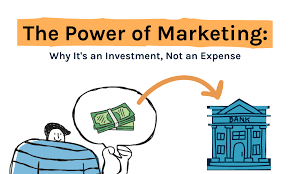
Link to image file↗ Marketing
Table of Contents
1. Creating Brand Awareness
One of the core functions of marketing is to build brand awareness. In a world saturated with advertisements, social media posts, and countless options, standing out is no easy feat. Through clever marketing strategies, companies can make sure they are at the forefront of consumers’ minds.
Consider global brands like Apple, Coca-Cola, and Nike. These brands don’t just sell products; they sell an experience, a lifestyle. Their marketing goes beyond promoting their goods—it creates an emotional connection with consumers. Whether it’s through a compelling story, a unique ad campaign, or creating a sense of community, marketing helps build a reputation that resonates long after the sale.
Example:
Nike’s “Just Do It” campaign didn’t just advertise sportswear; it inspired people to take action, regardless of their athletic ability. The slogan became synonymous with motivation, perseverance, and personal achievement.
2. Driving Customer Engagement
Effective marketing is about more than just pushing products. It’s about engaging with customers and building a relationship. In today’s digital age, customers want more than a transaction; they want to feel valued and heard.
Social media platforms, personalized email marketing, and interactive content are just a few ways brands engage with their audience. Through these channels, businesses can listen to their customers’ needs, answer their questions, and create a space for dialogue. This fosters a sense of loyalty and trust, which are essential for repeat business.
Example:
The beauty brand Glossier excels in customer engagement. The company builds its marketing strategies based on customer feedback, asking their community directly for input on products. This makes their customers feel like a part of the brand’s journey.
3. Personalization at Scale
Gone are the days of “one-size-fits-all” marketing. Today’s consumers expect personalized experiences. Thanks to advancements in technology, businesses can now tailor their marketing efforts to specific segments of their audience, ensuring they receive relevant content and offers.
Data-driven marketing strategies—such as analyzing customer behavior and preferences—allow brands to craft hyper-targeted campaigns. Whether it’s personalized email recommendations, location-based offers, or dynamic ads, the ability to deliver the right message at the right time is more powerful than ever before.
Example:
Amazon uses advanced algorithms to recommend products based on past searches and purchases, providing customers with a highly personalized shopping experience. This not only drives sales but also makes the customer feel understood and valued.
4. Influencing Consumer Behavior
Marketing isn’t just about making a sale; it’s about influencing the way people think, feel, and act. Behavioral psychology plays a significant role in shaping marketing strategies. By understanding consumer motivations, desires, and pain points, marketers can craft messages that tap into these emotions.
Psychological triggers, such as scarcity, social proof, and reciprocity, are often used to prompt consumers to take action. Limited-time offers, customer reviews, and loyalty programs are all examples of tactics designed to influence decision-making.
Example:
The “Fear of Missing Out” (FOMO) marketing technique is incredibly powerful. Brands like Apple and Tesla have mastered this by creating limited releases or exclusive events, which build anticipation and drive consumer demand. People don’t want to feel left out, so they rush to get the latest product.
5. Building Trust and Credibility
Trust is at the foundation of every successful business transaction. Without it, customers are hesitant to make purchases, no matter how good your product is. Effective marketing strategies help build and maintain that trust by highlighting a brand’s credibility and expertise.
Content marketing, such as blogs, case studies, customer testimonials, and thought leadership articles, can position a company as an authority in its industry. When consumers see that a brand is knowledgeable and transparent, they are more likely to invest in what they’re selling.
Example:
HubSpot, a leader in inbound marketing, has built its reputation by offering free, high-quality content that educates businesses on how to improve their marketing strategies. This not only drives trust but also attracts a loyal audience who believes in their expertise.
6. Global Reach and Market Expansion
Marketing allows businesses to reach audiences far beyond their local markets. Through the internet, social media, and global advertising, companies can tap into new demographics and even expand internationally. The digital landscape has leveled the playing field, allowing small businesses to compete with large corporations on a global stage.
With targeted online ads, content in multiple languages, and strategic partnerships, businesses can scale their marketing efforts worldwide. This international exposure can open doors to new opportunities and partnerships, contributing to long-term growth.
Example:
A small local startup can run targeted Facebook or Google Ads to reach potential customers in countries they may never have physically visited. With the right marketing, small businesses can compete with large multinationals.
7. Data-Driven Decision Making
One of the most powerful aspects of marketing today is the ability to make data-driven decisions. Gone are the days of guessing and hoping for the best. With access to real-time analytics, marketers can track the performance of campaigns, measure ROI, and optimize strategies on the fly.
From tracking website traffic to monitoring engagement on social media, data allows businesses to fine-tune their messaging and improve customer targeting. By making informed decisions, brands can minimize risk and maximize their chances of success.
Example:
Facebook Ads Manager offers detailed analytics that help businesses track how their ads are performing in real time. Marketers can adjust targeting, ad creatives, and budgets based on the data, ensuring that every dollar spent is contributing to their goals.
8. Creating a Lasting Impact
Ultimately, marketing has the power to create lasting memories and drive loyalty. Through storytelling, branding, and emotional appeals, companies can build relationships that transcend the initial transaction. When a brand aligns with a consumer’s values or creates an unforgettable experience, the impact is profound and long-lasting.
Consumers aren’t just buying a product; they are investing in a brand. That’s why a great marketing campaign doesn’t just generate a sale; it builds a loyal following that lasts.
Example:
The “Share a Coke” campaign by Coca-Cola was a perfect example of creating a lasting impact. By personalizing bottles with popular names, the company turned an everyday product into a personal, shareable experience that resonated with millions.
Conclusion: The Power of Marketing in Today’s World
Marketing is the backbone of business success. It goes beyond traditional advertising and encompasses a full spectrum of strategies, all aimed at building relationships, influencing behavior, and driving results. Whether you’re a small startup or a multinational corporation, marketing is the key to reaching new audiences, fostering loyalty, and staying ahead of the competition.
As the digital landscape continues to evolve, so too will marketing techniques. To harness the full power of marketing, businesses must stay flexible, innovative, and customer-centric. In the end, marketing is not just about selling products; it’s about creating connections and making an impact that lasts.